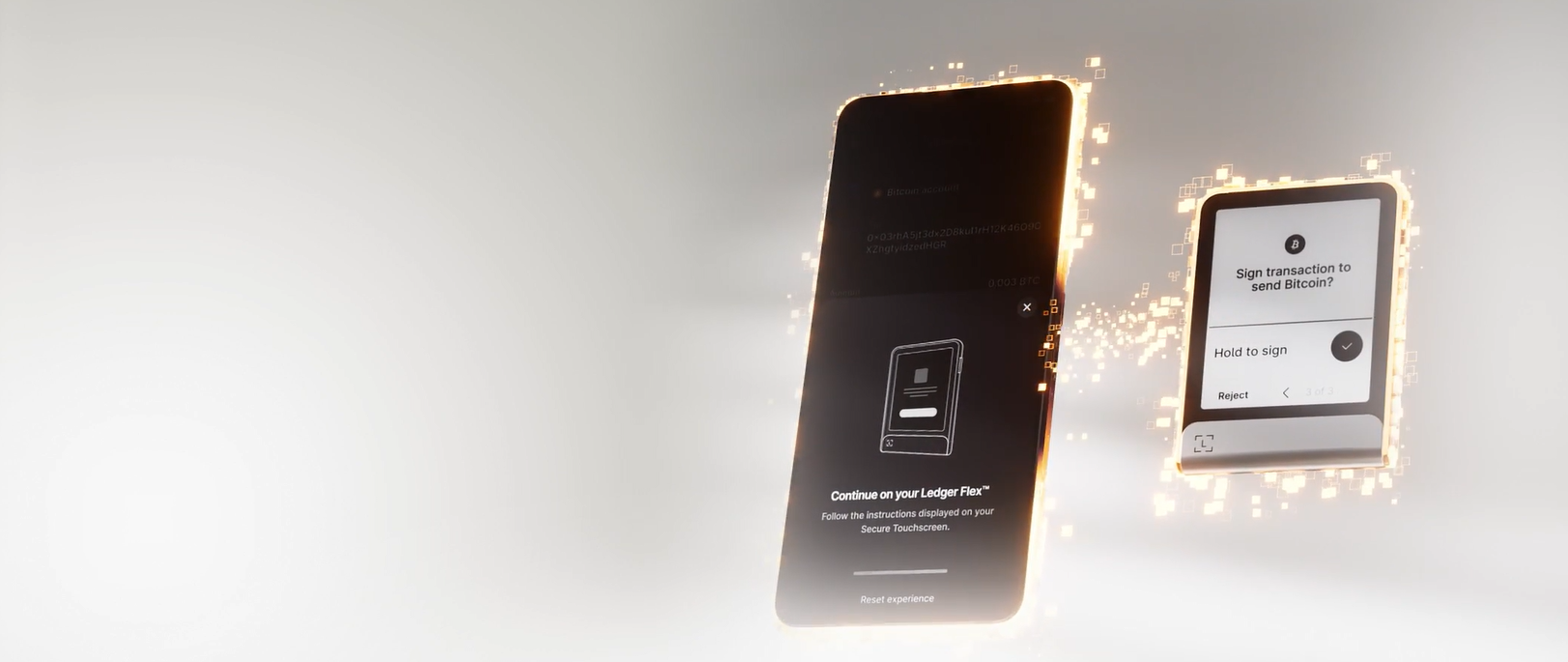
 Private keys remain offline, ensuring top-tier safety
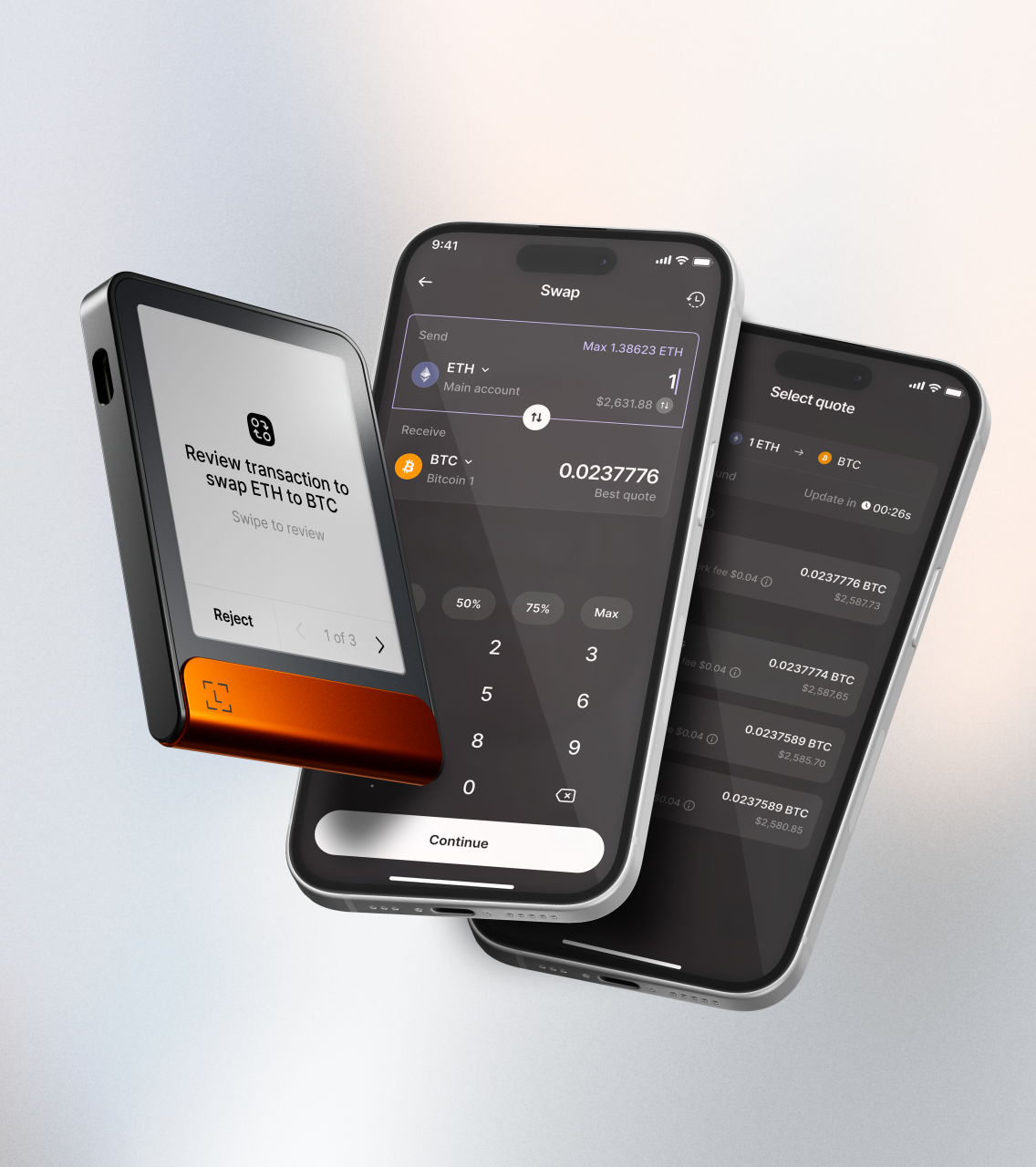
 Easily broaden your holdings without navigating complicated exchanges
 Bring multiple assets together in one location, select freely as you wish
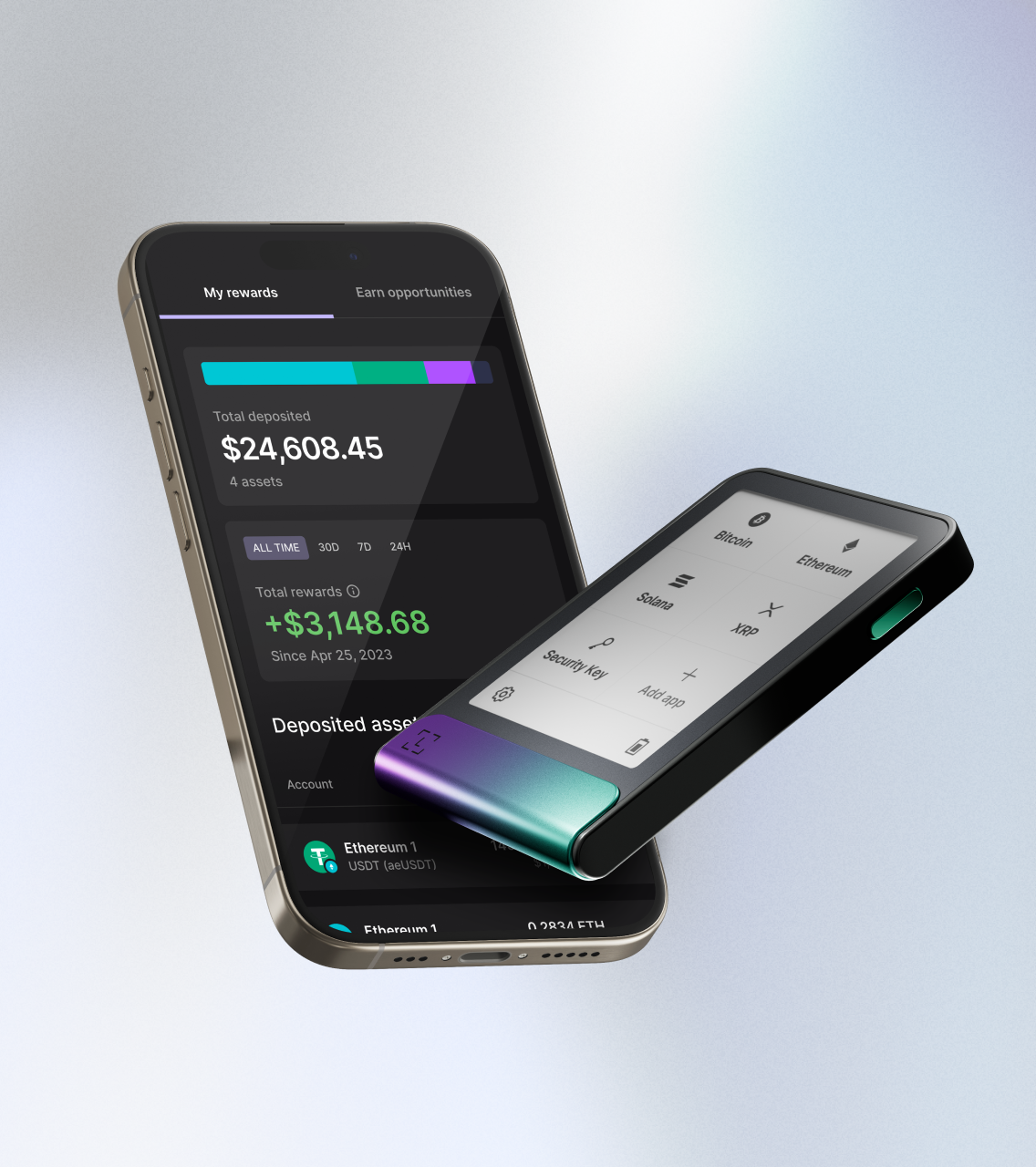
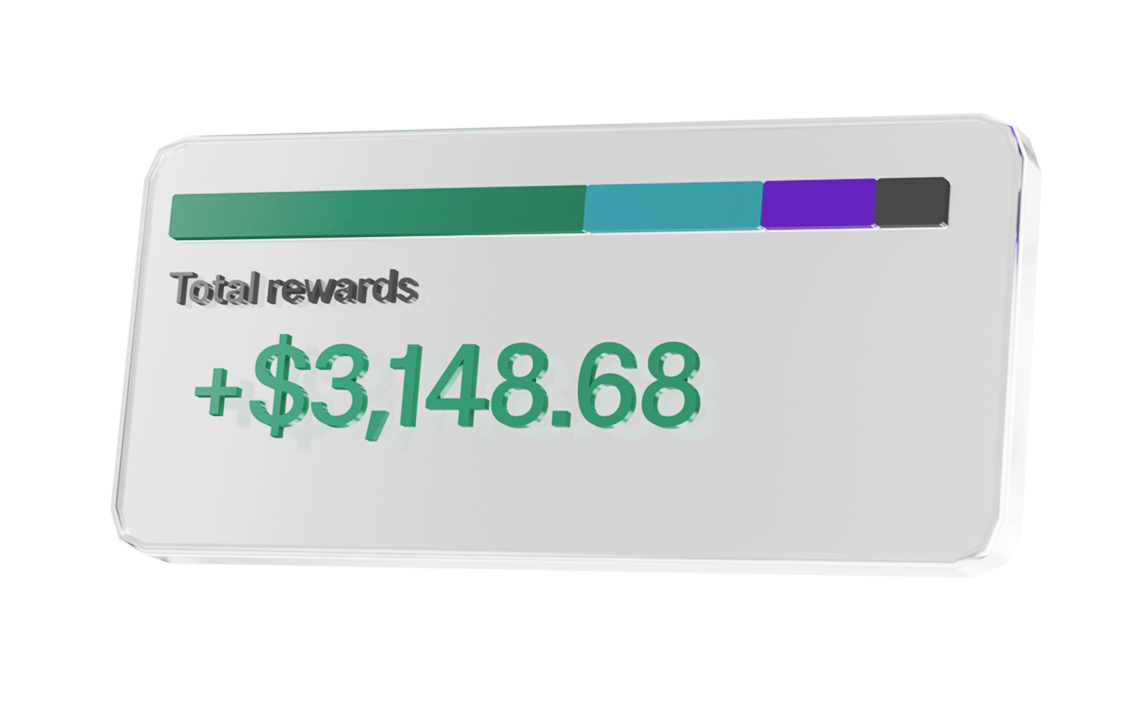
 Tailor earning approaches and monitor reward changes in real time
 Embrace preferred blockchains and strengthen protection collectively
 Eco-conscious expansion, generate value without energy-heavy mining
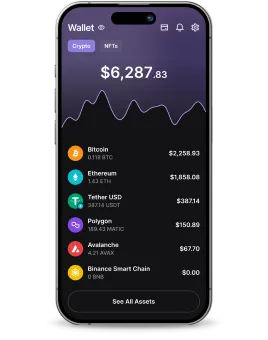
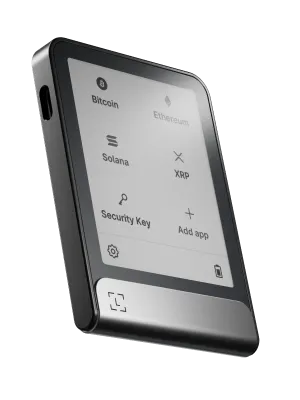
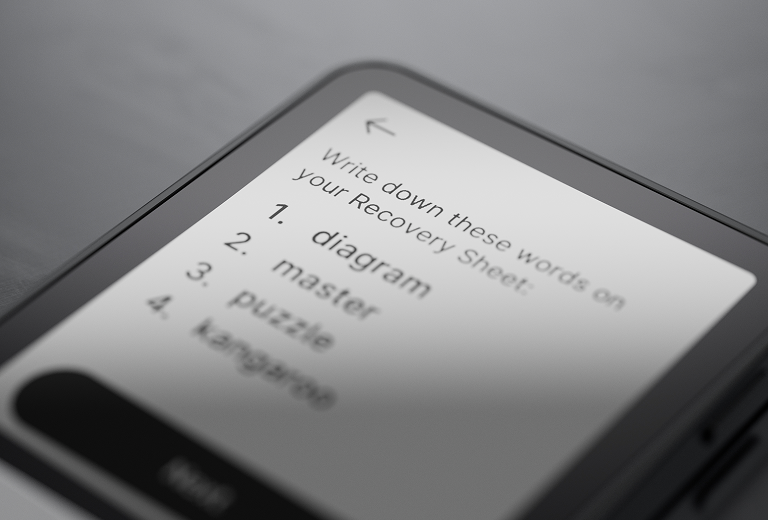
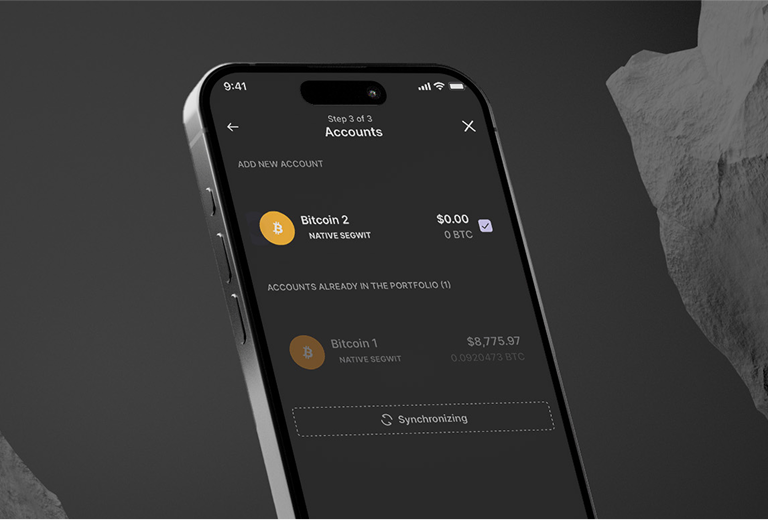
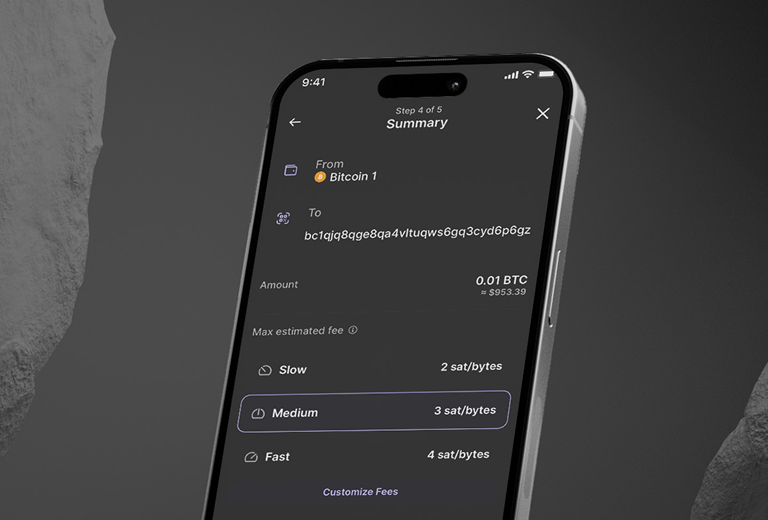
 Offline private keys — maximum safety, zero worry
 Receive market insights and notifications
 Gather digital art treasures
A crypto wallet is a digital tool that enables users to store, organize, and engage with various crypto assets such as Bitcoin, Ethereum, and more. It plays an essential part in the crypto ecosystem, helping users securely control their digital funds and execute transactions.
There are multiple categories of crypto wallets, each offering different advantages regarding security, user‑friendliness, and features.
The most secure option is hardware wallets — physical devices that significantly boost security by storing private keys offline inside the device chip.
A Web3 wallet can be seen as a digital keyring for the next‑generation internet (Web3), and an all‑access ticket to the decentralized world. Instead of depending on traditional intermediaries like banks to oversee your online funds, it places total control in your hands.
Beyond holding crypto assets, Web3 wallets let you interact with a variety of decentralized apps. Want to trade unique digital collectibles or play games without an intermediary? Your Web3 wallet is the ideal tool.
Web3 wallets are built to be intuitive, allowing you to easily log into and explore dApps while keeping your private keys safe. It’s like your digital super‑cloak, giving you power and security in the vast Web3 universe.
A non-custodial wallet (also referred to as a self‑custody wallet, “self‑custody” in crypto terms) provides you with full command over your public and private keys.
Key point: a non-custodial wallet never entrusts your keys to any third party. You, as the wallet owner, are exclusively responsible for safeguarding your private keys and the wallet itself.
Non-custodial wallets connect directly to your blockchain address without any middleman, thereby removing any risk of asset seizure.
You remain in complete control, which means censorship resistance and no transaction restrictions. In other words, a non-custodial wallet is your direct pass to financial independence.
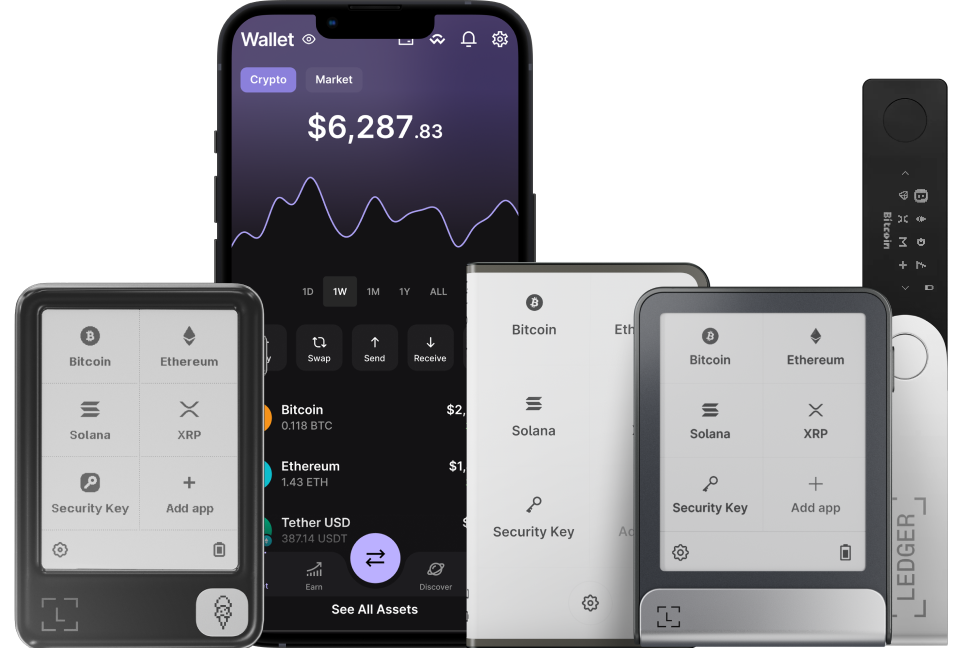
Ledger hardware wallets manage crypto assets through a companion application. By connecting to Ledger Wallet™ (formerly Ledger Live™), you can install the necessary apps onto your crypto wallet. Follow these easy steps to begin:
1. Confirm that Ledger Wallet™ (formerly Ledger Live) is installed.
If not, get it from the official Ledger website.
2. Attach your Ledger device. Use the included USB cable to connect your Ledger crypto wallet to your computer or smartphone.
3. Unlock your Ledger device. Enter your PIN code to unlock the device.
4. Launch Ledger Wallet™ (formerly Ledger Live™). Open the application on your computer or phone.
5. Navigate to the “My Ledger” area. Here you can manage and install apps onto your Ledger device.
6. Pick the app. Locate and choose the app that matches the cryptocurrency or service you wish to use, for instance the Bitcoin app.
7. Install the app. Click “Install” to deploy the selected app to your Ledger device and follow the prompts on screen.
8. Open the app on your device. After installation, start the app on your Ledger device.
9. Engage with the app. Use the buttons on your device to navigate and operate the app — for example, send/receive transactions, review balances, etc.
10. Disconnect safely. Once finished, securely disconnect your Ledger device from your computer or phone.
The top crypto wallet for mobile users is the Ledger hardware wallet. This is because Ledger Wallet™ (formerly Ledger Live™) works perfectly with the hardware wallet — just plug the hardware wallet into your phone using a USB cable.
Ledger Wallet™ is the official mobile app for Ledger hardware wallet owners, allowing you to securely manage and check your crypto asset balances whenever and wherever you want.
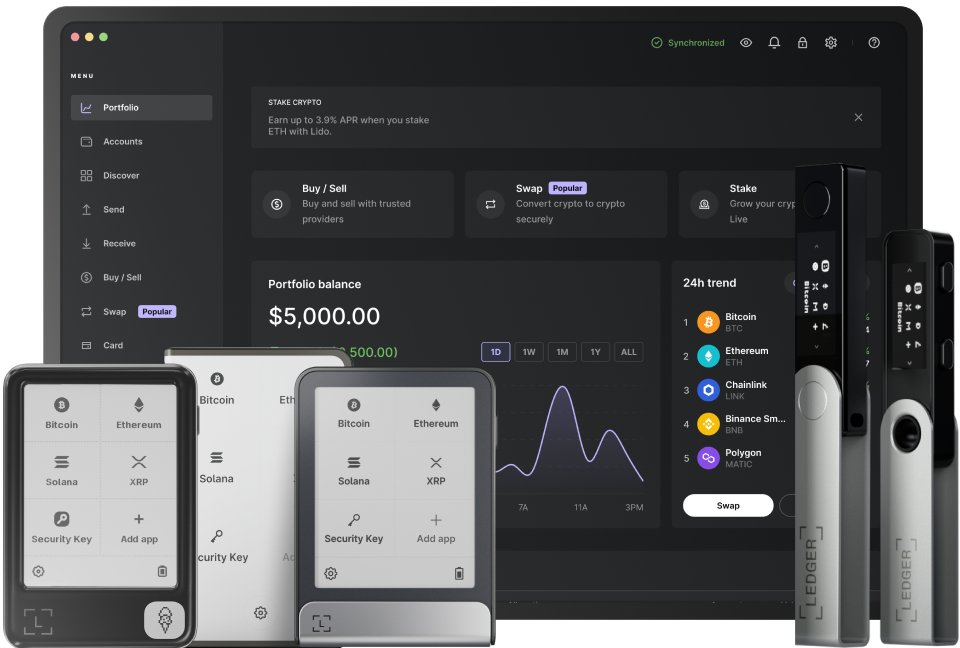
The Ledger crypto wallet is broadly recognized as the optimal solution for desktop users, due to its extraordinary emphasis on security and simplicity.
Ledger Wallet™ (formerly Ledger Live™) features an easy‑to‑use interface that makes it straightforward to manage your crypto portfolio and seamlessly integrate with your Ledger hardware wallet.
The app is designed intuitively, providing clear guidance for activities such as checking balances and handling accounts.
The Ledger Wallet™ (formerly Ledger Live™) app delivers a safe and streamlined interface to manage your crypto assets together with your Ledger device.
Unlike most apps, Ledger Wallet™ stores your data directly on your phone or computer — no email or password login necessary. All you require is your Ledger device and yourself.
Ledger Wallet™ (formerly Ledger Live™) is built to be the trusted companion for Ledger crypto wallet devices. It offers a user‑friendly interface that lets you seamlessly manage all your crypto assets and currencies in one secure place.
Simply connect your Ledger device to your desktop computer or phone via a USB cable. Once connected, you obtain a clear view of your crypto portfolio, access account management, and transaction history. In Ledger Wallet™ you can also send/receive cryptocurrencies, track your portfolio, and access various dApps.
To download and install the Ledger Wallet™ (formerly Ledger Live™) app, follow these steps. Specific steps may vary slightly depending on your operating system (Windows, macOS, Linux) or device (computer/phone).
Visit the Ledger official website and click on Ledger Wallet™. Click the “Download Ledger Wallet” button, then on the download page click “Download”.
Select your operating system (Windows, macOS, or Linux), download the installer, run it, and follow the on‑screen instructions to complete the installation.
Connect your Ledger device to your computer using a USB cable. Open Ledger Wallet by launching the app on your computer. Follow the on‑screen setup and configuration — you can create a new account or recover an existing one.
Now, install apps on your Ledger device! In Ledger Wallet™, go to the “My Ledger” section and install the apps corresponding to the crypto assets you want to manage.
Enjoy!
A “coin” is any cryptocurrency that operates on its own independent blockchain, such as Bitcoin. In short, if a cryptocurrency runs on its own blockchain, it is called a “coin”. This native currency is used to pay transaction fees, participate in the network, and also serves as the reward for network participants who help secure it.
Ledger Wallet™ (formerly Ledger Live™) supports Bitcoin (BTC), Ethereum (ETH), Ripple (XRP), Litecoin (LTC), Bitcoin Cash (BCH), Polkadot (DOT), Chainlink (LINK), Cardano (ADA), Stellar (XLM), Solana (SOL), Tezos (XTZ), and many others, as well as a wide range of ERC-20 tokens and other popular crypto assets.
The Ledger Wallet™ platform is regularly updated to support new coins and tokens. For the latest information, please check the official Ledger website or the app itself.
For a complete list of supported coins, networks, and tokens, feel free to click here.