
Non - Fungible Tokens (NFTs) have become a significant part of the digital asset landscape. However, with their increasing popularity, phishing attacks targeting NFT owners have also risen. Here are some essential steps to protect your NFTs from phishing attacks.
Firstly, educate yourself about phishing techniques. Phishers often use social engineering methods to trick you into revealing your private keys or other sensitive information. For example, they may send you an email that appears to be from a well - known NFT marketplace, asking you to click on a link to verify your account. Once you click, malware can be installed on your device, allowing the attacker to access your NFT wallet. To avoid this, learn to recognize common phishing signs such as poor grammar in emails, suspicious sender addresses, and urgent requests for personal information.
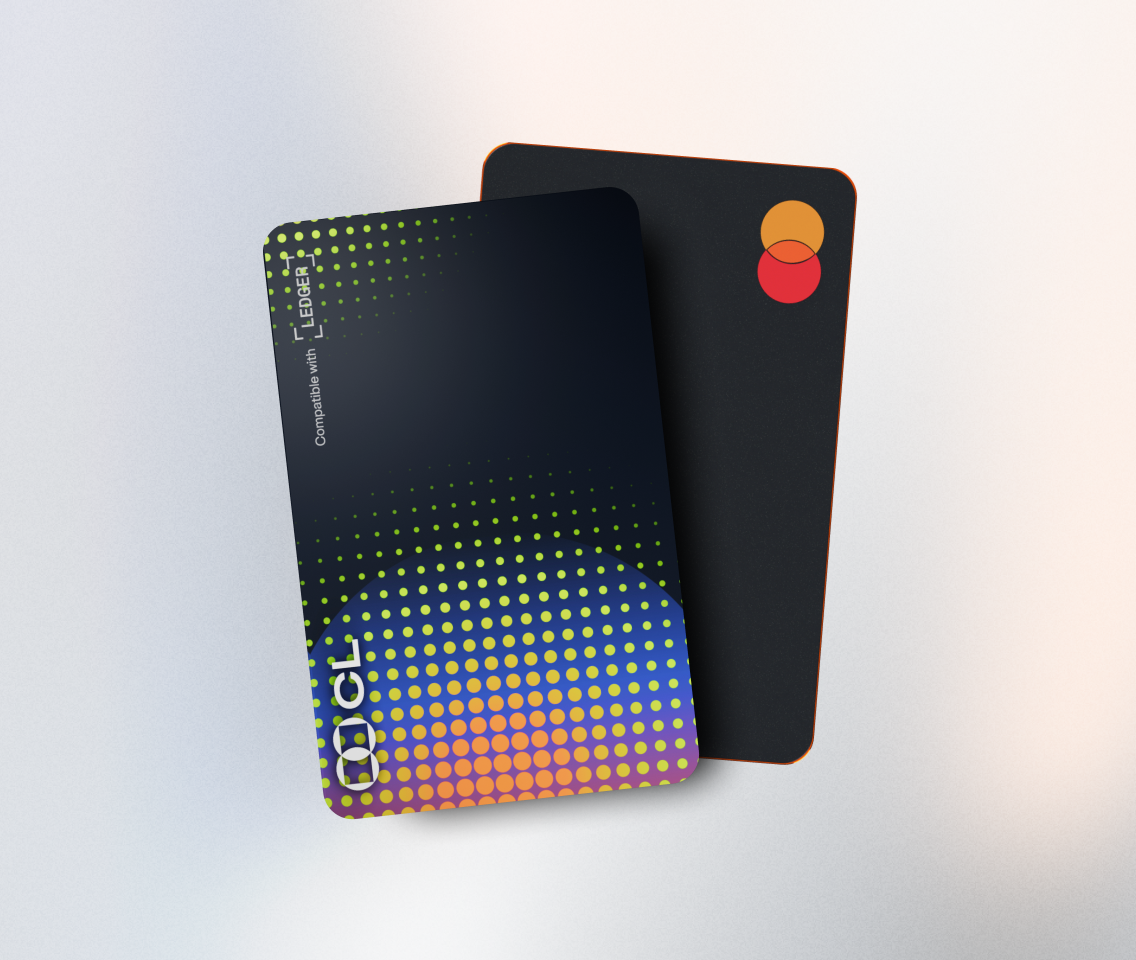
Secondly, use a secure wallet. Choose a reputable NFT wallet that offers strong security features like multi - factor authentication (MFA). MFA adds an extra layer of protection by requiring you to provide two or more forms of identification before accessing your wallet. For instance, in addition to your password, you may need to enter a code sent to your mobile phone. Hardware wallets are also a great option as they store your private keys offline, making them less vulnerable to online attacks.
Thirdly, be cautious when interacting with NFT marketplaces and platforms. Only use well - established and trusted platforms. Before making any transactions, double - check the website's URL to ensure it is legitimate. Some phishers create fake websites that look almost identical to real ones to steal your information. For example, they may change one letter in the domain name. Always look for the padlock icon in the browser address bar indicating a secure connection.
Fourthly, keep your software up - to - date. This includes your operating system, wallet software, and antivirus programs. Developers regularly release updates to fix security vulnerabilities. By keeping your software updated, you can protect your NFTs from potential attacks. For example, if there is a known vulnerability in your wallet software, an update will patch it, preventing attackers from exploiting it.
Fifthly, avoid sharing too much information on social media about your NFT collection. Phishers can use the information you post to target you more effectively. For example, if you share details about a rare NFT you own, they may try to trick you into giving away your wallet information. Be careful about what you post and who can see it.
Finally, if something seems too good to be true, it probably is. Phishers often offer unrealistic deals or rewards to lure you into their traps. For example, they may promise you a free NFT in exchange for providing your wallet details. Always be skeptical of such offers and do not fall for them.
By following these steps, you can significantly reduce the risk of your NFTs being stolen through phishing attacks and safeguard your valuable digital assets.
TAG: your wallet example may attacks they phishing information NFT NFTs